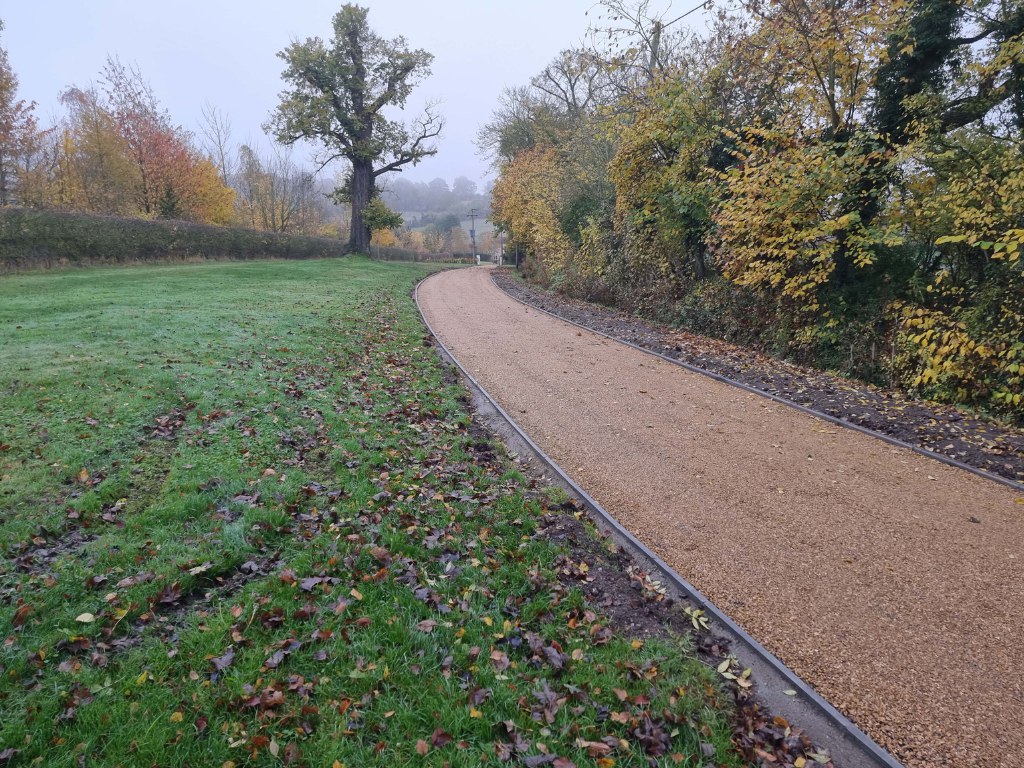
6 Benefits of Resurfacing an Old Tarmac Entrance
A tarmac entrance is exposed to regular vehicle movements, changing weather conditions and the gradual effects of ageing. Over time, the surface may become faded, rough, cracked or uneven, making the entrance look neglected and reducing its everyday performance.
Where the underlying construction remains stable, resurfacing can restore the entrance without rebuilding it completely. The existing surface is prepared and repaired before a new tarmac layer is installed, creating a more consistent and serviceable finish.
Why Consider Resurfacing an Existing Tarmac Entrance?
1. Restores a Smooth and Even Surface
Ageing tarmac can develop shallow depressions, rough patches and areas where the surface material has begun to loosen. These defects may make vehicle access less comfortable and allow water to remain in low spots.
Resurfacing creates a new, continuous upper layer across the entrance. Appropriate preparation can correct minor irregularities and provide a smoother transition between the entrance, driveway and surrounding surfaces.
More significant settlement must be addressed before the overlay is applied. A new surface will not provide a lasting solution if unstable areas are simply covered.
2. Improves the Appearance of the Entrance
An entrance is one of the first parts of a property that visitors see. Faded tarmac, numerous patches and crumbling edges can make the wider frontage appear tired even when the rest of the property is well maintained.
A professionally resurfaced entrance creates a uniform colour and texture. Existing repairs become less visually dominant, and clear edges can help the area look more organised.
For properties in Gillingham, Kent, resurfacing can provide a practical improvement while retaining the straightforward appearance associated with tarmac.
3. Deals With Widespread Surface Wear
Individual repairs are useful when deterioration is confined to a small area. However, repeated patching may become less effective when cracks, fretting and general wear are spread across most of the entrance.
Resurfacing treats the area as a complete surface rather than a collection of separate defects. Before work begins, cracks and damaged sections should be repaired so they do not affect the new layer.
This approach is most appropriate when wear is concentrated near the surface and the supporting base remains dependable.
4. Helps Protect the Existing Construction
Cracks and open areas can allow water to enter the layers beneath the tarmac. Continued moisture exposure may weaken the supporting materials and contribute to settlement or further cracking.
A properly installed resurfacing layer restores a continuous covering over the existing construction. Sound edging and effective drainage also help direct water away from vulnerable sections.
Resurfacing should take place only after the source of existing damage has been identified. Covering unresolved movement or poor drainage may allow defects to return through the new surface.
5. Improves Water Management
Older tarmac entrances may develop depressions where rainwater collects. In other cases, previous repairs can create inconsistent levels that interrupt the intended direction of drainage.
Resurfacing provides an opportunity to review the surface gradients and correct minor level variations. Water can then be guided towards suitable drainage points rather than remaining within wheel tracks or near the property.
Effective drainage depends on the complete layout, including thresholds, edges and adjoining surfaces. These elements should be considered during planning rather than after the tarmac has been laid.
6. Extends the Useful Life of a Sound Entrance
An entrance does not always need complete reconstruction simply because its surface looks worn. If the sub-base remains stable and structural damage is limited, resurfacing can renew the upper layer and extend the serviceable life of the existing installation.
The result depends on the condition of what lies beneath. A professional assessment should establish whether the entrance can support a new layer or whether deeper reconstruction is necessary.
Choosing the correct treatment avoids placing new material over an unsuitable foundation.
Is Every Tarmac Entrance Suitable for Resurfacing?
Resurfacing is generally most effective where the existing entrance is stable but has widespread surface deterioration. It may be appropriate when there is:
- General fading and loss of surface texture
- Minor cracking across several areas
- Localised fretting or loose aggregate
- Previous repairs that create an inconsistent finish
- Shallow depressions that can be corrected during preparation
- A sound base without extensive movement
Reconstruction may be more suitable where there are deep depressions, severe cracking, repeated movement or widespread base failure. Poor drainage and damaged edges may also need substantial correction before a reliable new surface can be installed.
Why Preparation Is Essential
Successful tarmac resurfacing depends on the quality of the preparation. Loose material, contamination and weak areas must be removed or corrected so the new layer can bond properly.
The process may include:
- Cleaning the existing surface
- Repairing cracks and failed sections
- Correcting localised depressions
- Preparing joints and adjoining edges
- Reviewing drainage gradients
- Applying the appropriate bonding treatment
- Compacting the new tarmac consistently
Skipping these stages can lead to separation, cracking or premature wear.
Maintaining a Resurfaced Entrance
Routine care helps preserve the renewed surface. Leaves, soil and other debris should be removed, particularly from drainage channels and edges. Any developing cracks or damage should be assessed before water reaches the supporting layers.
Heavy or concentrated loads should also be considered, especially near unsupported edges. Proper edge restraints help maintain the shape and stability of the entrance.
Conclusion
Resurfacing can restore smoothness, improve appearance, address widespread wear, support better drainage and extend the useful life of a stable tarmac entrance. Its success depends on confirming that the underlying construction remains sound and preparing the existing surface correctly.
Gillingham Driveways provides professional tarmac resurfacing services throughout Gillingham, Kent. If your entrance is worn, uneven or heavily patched, contact our team to arrange an assessment and determine whether resurfacing is the appropriate solution.
Call us on: 01634 564 190
Click here to find out more about Gillingham Driveways
Click here to complete our contact form and see how we can help with your driveway needs.